Skip to content
PoeschLab Logo

PoeschLab

  • Home
  • Publications
  • Research
    • Conservation of Freshwater Fishes
      • Species at Risk
      • Ecohydrology
      • Climate Change
      • Invasive Species
    • Sustainable Resource and Land-Use Development
    • Restoration and Reclamation
  • People
    • Meet the Team
    • About Dr. Poesch
    • Opportunities
    • Collaborations
  • News
  • Gallery
    • Conservation of Freshwater Fishes
      • Species at Risk
        • Arctic Grayling
        • Athabasca Rainbow Trout
        • Bull Trout
        • Carmine Shiner
        • Lake Sturgeon
        • Plains Sucker
        • Redside Dace
        • Rocky Mountain Sculpin
        • Western Silvery Minnow
        • Westslope Cutthroat Trout
      • Invasive Species
        • Brook Trout
        • Chinese Mystery Snail
        • Northern Crayfish
        • Prussian Carp
        • Round Goby
        • Whirling Disease
      • Alberta Species
      • Other Cool Species
    • Sustainable Resource and Land-Use Development
      • Mine Spill Impacts
      • Oilsands Monitoring
      • Metal Contamination in the Red Deer River
      • Stream Crossings
    • Restoration and Reclamation
      • Stocking Assessment
      • Offsetting
      • Stream Augmentation
    • Expertise
      • Hydro-acoustics
      • Movement and Telemetry
      • Stable Isotopes
      • Genetics and eDNA
      • Swim Performance
    • Lab Events
      • Outreach
      • Team Events
    • Videos
  • Map
  • Contact
  • Menu

Category Archives: Sustainable Resource Development

Meeting the societal need for resources (e.g. oil and gas, timber) and the environment can be challenging. As the human population grows, so does the need for resources for that population. Developing sustainable resource development remains a global challenge. In the PoeschLab, we strive to help develop and improve sustainable resource development in relation to aquatic ecosystems. For example, industrial activities related to the exploration and development of natural resources have created large networks of roads that we’ve shown to negatively impact aquatic ecosystems (Maitland et al. 2016a). Prioritization methods that consider at-risk species can help mitigate problem these problem stream crossings (Maitland et al. 2016b). Other projects in the PoeschLab include assessing the impact of oil sands development on aquatic ecosystems (Donner et al. In Press; Shotyk et al. In Press; Sun et. al. 2017), assessing spills and determining bio-accumulation of metals in aquatic ecosystems.

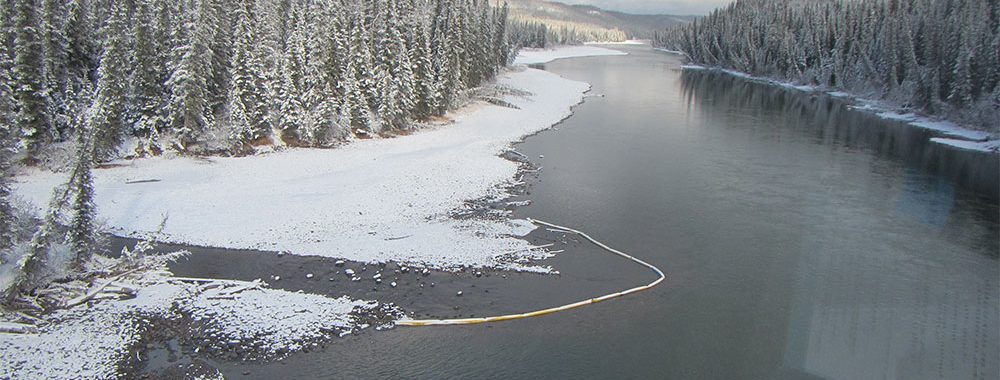
Coal slurry cut 20-meter swath (Edmonton Journal)

Link to pdf: Obed Mine

Post navigation

« Previous 1 2 3 4 5 6