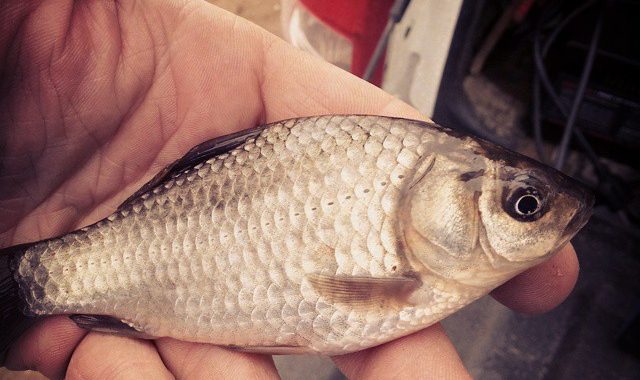
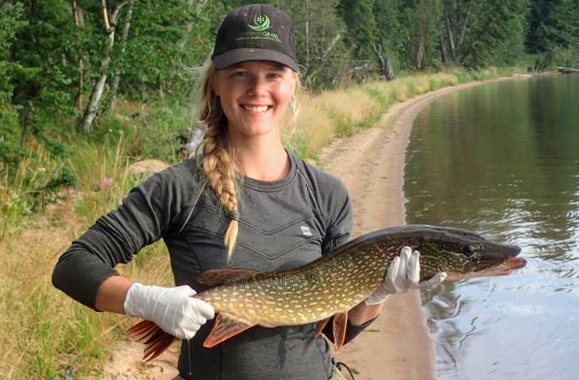
New Award – Editor’s Choice 2026: Theis, S.*, Shirton, J.*, Barbeau, M.*, Ruppert, J. W. L.* and M.S. Poesch (2025) Growth and diet of Northern Pike (Esox lucius) in Boreal lakes: Implications for Ecosystem Management. Hydrobiologia 4(1): 1.

Abstract: 

An important top-down predator, the northern pike (Esox lucius), faces harsh environmental conditions in the northern boreal ecoregion. They are often managed for recreational fishing and, more recently, to create environmental offsets; strategies aimed at balancing ecological impacts by enhancing or restoring habitats. Our study examines northern pike populations in two remote boreal lakes in northern Alberta: Steepbank and Wappau. The lakes differ in size, vegetation cover, and trophic status, providing a natural experiment for investigating northern pike growth, condition, diet, and population density. Over three years (2018–2020), northern pike were sampled using gill nets. Population metrics, including growth, condition, and stomach contents, were compared between the lakes. Steepbank, a smaller, oligotrophic lake with low vegetation cover, showed lower prey fish densities compared to the larger, eutrophic Wappau, but it did not differ in northern pike catch per unit effort. Growth rates and body condition varied significantly between the lakes, with the northern pike in Wappau exhibiting faster growth and a better condition in the older age groups, while the younger northern pike in Steepbank had higher relative weights. A diet analysis revealed significant differences in prey consumption: Steepbank northern pike displayed higher rates of conspecific predation and invertebrate consumption, particularly in the younger age classes. These findings highlight how lake characteristics and prey availability shape northern pike population dynamics, offering valuable insights for lake management approaches in northern Alberta.

Citation: Theis S., Shirton J., Barbeau M., Ruppert J. W. L. and M.S. Poesch (2025) Growth and diet of Northern Pike (Esox lucius) in Boreal lakes: Implications for Ecosystem Management. Hydrobiologia 4(1): 1.

Also Read:

Theis, S.*, Ruppert, J. L. W. and M. S. Poesch. (2023) Coarse woody habitat use by local fish species and structural integrity of enhancements over time in a shallow northern boreal lake assessed in a Bayesian modeling approach. Ecological Solutions and Evidence 4(2): e12200.

*Lab members: Sebastian Theis, Jonathan Ruppert (former member) and Mark Poesch. Check out opportunities in the lab!

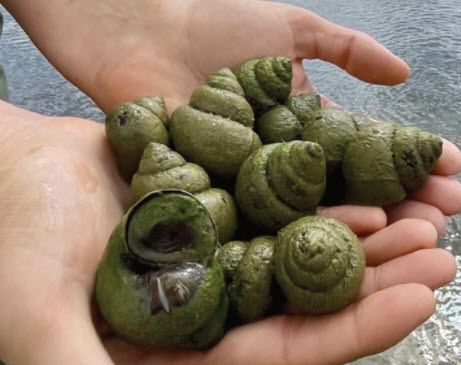
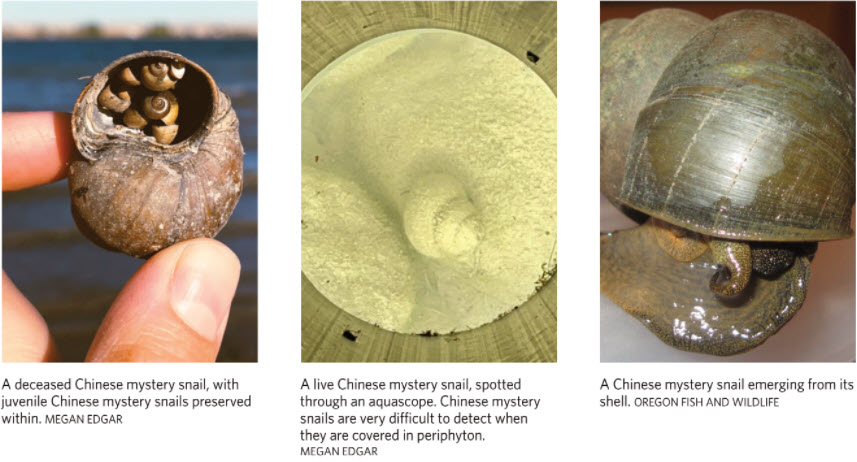
Megan Edgar’s research published in BioInvasions Records and highlighted in multiple media outposts (CBC, CBC Radio, Folio, Nature Alberta)

Research by Megan Edgar was recently highlighted in the media, including: CBC, Folio, Nature Alberta (link) and Chits and Chats podcast. Great job Megan!

Dr. Poesch involved in $24 million federally funded biodiversity and Indigenous health project

University of Alberta academics are part of a project that received $24 million in federal funding to examine the link between the loss of biodiversity and the decline of Indigenous health. Dozens of academic and community-based researchers, both Indigenous and non-Indigenous, are joining forces for a six-year project to curb the decline of biodiversity and improve the well-being of Indigenous people throughout Canada and around the world.

The Ărramăt Project brings more than 150 Indigenous organizations and governments from around the world together to carry out 140 Indigenous-led, place-based research projects to examine the link between biodiversity and Indigenous health.

There are 12 academics from the University of Alberta involved in the project.

“The collapse of the cod stocks, massive forest fires in B.C., climate change, degradation of freshwater — there’s no end of examples where our non-Indigenous systems of resource management are flawed,” said Brenda Parlee, lead co-principal investigator and a non-Indigenous scholar and professor in the U of A’s faculty of agricultural, life and environment sciences in a news release.

Link to article (Folio)

Link to article (Calgary Sun)

Aramat Project Website

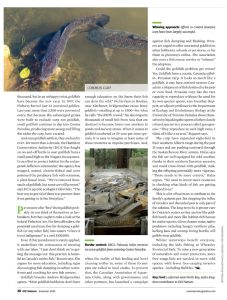
Research on Prussian Carp eradication highlighted in media (Magazine: Ontario Nature)

Research from a team in the Poesch lab was highlighted in Ontario Nature magazine. The story about eradication of carp, also discusses new results of a study just accepted and coming out soon in the Journal of Wildlife Management. Former post-doctoral researcher, Dr. Jonathan Ruppert, is highlighted in the piece. Other people who contributed to the study include former lab members Jamie Card and Caitlyn Donadt, and colleague Dr. Caleb Hasler from the University of Winnipeg.

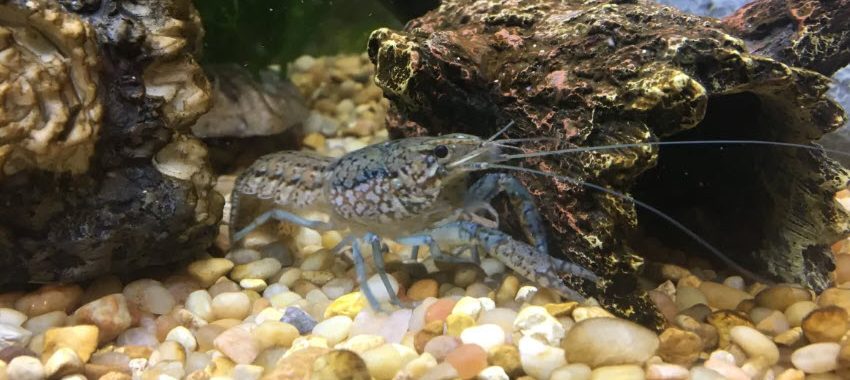
Research in the lab was highlighted in “This self cloning crayfish is scuttling into rivers and streams throughout Alberta (News: CBC)”

It’s not unusual to spot a trout species in a Calgary river but you might not expect to find a lobster-like crustacean. In the last 10 to 20 years however, the marbled crayfish — a crustacean not native to the Bow River — has begun spreading to rivers and lakes throughout Alberta. It’s a problem that Nicole Kimmel, aquatic invasive species specialist for Alberta Environment and Parks, is trying to tackle. Historically, the crustaceans are normally found in between Wainwright and Ryley in the Beaver River watershed south of Edmonton, Kimmel told The Calgary Eyeopener. But now they’ve been showing up in water bodies anywhere from the Edmonton area, down to Calgary and Medicine Hat, as well as in the Milk River region. It’s not likely that the critters are crawling between rivers and lakes, though they can move on land for short periods, Kimmel said. Instead, the province suspects the movements of the crayfish might be aided by humans either for bait use or they are potentially being brought back home and discarded in local waters.

‘Freak accident’ leads to quick reproduction

“Once they’re introduced to a breeding pair, they can breed pretty fast,” Kimmel said — the creatures can produce 200 to 400 eggs in a reproduction cycle.  Kimmel calls the marbled crayfish a kind of “freak accident” of two crayfish species that may have been imported from Florida into Germany in the ’90s and  were able to mate. Through that mating, the crayfish kept an additional set of chromosomes that allowed them to reproduce asexually, meaning all the females could lay unfertilized eggs which develop into genetically identical offspring. In essence, a self-cloning crayfish was born. To attempt to control their spread, Alberta has banned the crayfish province-wide unless it’s kept as a pet. Most pet stores have stopped carrying the specimens, but it’s still possible to find them sold online by individuals. Ducks have been munching on them, along with some humans, but Kimmel says its important to make sure the ones used for consumption are coming from clean water sources. Kimmel says the province has partnered with Mark Poesch, Associate Professor in Agricultural Life and Environmental Sciences at the University of Alberta, to understand what the effects are on the habitats the creatures are invading. “We highly suspect that they’re probably impacting food webs where they’re being moved around,” she said.

Other crayfish creeping into Canadian waters

The marbled crayfish aren’t the only species of their kind causing concerns — there’s an extensive list of crayfish-type creatures being found in Canadian waters, Kimmel explained. For example, B.C. is worried about red swamp crayfish and in Manitoba there are concerns about crusty crayfish. Meanwhile Saskatchewan, along with Alberta, has ramped up its legislation around marbled crayfish. If you spot a crayfish, Kimmel says to report it to the province along with the location it was found. “We’re very much interested in knowing the location that you’re finding them as well as if you can snap a picture of what they look like,” Kimmel said. “We don’t want any of those other invasive ones that other jurisdictions are worried about.” The province isn’t actively getting rid of the crayfish right now until there’s a better understanding of where the crayfish are located and what can be done for eradication.

Link to CBC article.